Brain HealthCommunity

Brain-Boosting Foods: What Does the Research Say?

By 24 August 2026No Comments

Brain-Boosting Foods: What Does the Research Say?

Every organ in the body depends on good nutrition, but the brain is especially demanding. Although it makes up only about 2% of our body weight, it consumes roughly 20% of the body’s energy, relying on a steady supply of nutrients to support memory, concentration and cognitive function.  

Scientists continue to study how dietary choices influence long-term brain health, and while no single food can prevent cognitive decline, research suggests that consistent eating patterns rich in whole, nutrient-dense foods may help support healthy brain aging. 

So, what are the best brain-boosting foods?

Leafy Greens Lead the List

Dark leafy vegetables consistently appear in nutrition research focused on cognitive health. Spinach, kale, Swiss chard and broccoli provide nutrients such as vitamin K, lutein, folate and beta carotene, all of which have been associated with supporting healthy brain function as we age. Harvard Health notes that regularly eating leafy greens may help slow age-related cognitive decline as part of an overall healthy eating pattern. 

Adding a serving of greens to lunch or dinner is a simple habit that can benefit not only the brain but overall health.

Healthy Fats Fuel the Brain

The human brain contains a high concentration of fat, making healthy dietary fats particularly important. 

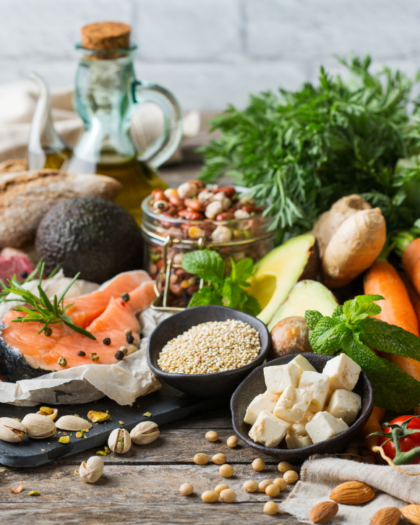
Fatty fish such as salmon, sardines and trout provide omega-3 fatty acids, especially DHA, which plays an important role in normal brain structure and function. Nuts, seeds and extra virgin olive oil also contribute beneficial fats and antioxidants that researchers continue to study for their potential role in supporting cognitive health. 

These foods are common features of the Mediterranean diet for brain health, an eating pattern that has been associated with healthy aging and better long-term cognitive outcomes.

Colourful Foods Offer Powerful Protection

Brightly coloured fruits and vegetables do more than make meals appealing. Berries, tomatoes, peppers and other colourful produce contain polyphenols and antioxidants that help protect cells from oxidative stress, one of the processes linked to aging throughout the body. 

Whole grains, beans and legumes also deserve attention because they provide fibre and a steady source of energy for the brain while supporting cardiovascular health. Since healthy blood vessels help deliver oxygen and nutrients to the brain, heart health and brain health are closely connected. 

Consistency Matters More Than Superfoods

Research increasingly suggests that long-term eating habits matter more than any single “superfood.” A balanced dietary pattern rich in vegetables, fruits, legumes, healthy fats, fish and whole grains appears to offer the greatest support for lifelong cognitive health. 

If you’d like to learn more about the connection between food and the brain, The Five Finger Plan to a Healthy Brain offers a practical, science-based guide to building healthier habits. Based on the landmark FINGER® study, the book explores how nutrition, physical activity and other lifestyle choices work together to support healthy cognitive aging.