Food and the Brain: Can Your Diet Affect Cognitive Health?
We often hear the phrase “food for thought,” but modern research suggests the connection between food and the brain is more than just a figure of speech. Scientists continue to study how nutrition influences memory, concentration and healthy cognitive aging, and while no single food can prevent neurological disease, growing evidence suggests that long-term dietary habits may play an important role in supporting brain health.
The brain is one of the body’s most energy-demanding organs, relying on a steady supply of nutrients to build cells, produce neurotransmitters and maintain healthy blood flow. What we eat today may help influence how well our brains function years down the road.
The Gut-Brain Connection
One of the fastest-growing areas of nutrition research is the gut-brain axis, the two-way communication network linking the digestive system and the brain.
Trillions of microorganisms live within the digestive tract, collectively known as the gut microbiome. Researchers now understand that these microbes influence immune function, inflammation and even the production of certain neurotransmitters. Diet plays a major role in shaping this ecosystem, which is why eating patterns rich in fibre, fruits, vegetables and whole grains continue to receive so much scientific attention.
Although researchers are still uncovering exactly how these relationships work, it’s becoming increasingly clear that supporting gut health may also help support healthy brain function.
Nutrients the Brain Depends On
Rather than focusing on one “superfood,” nutrition experts encourage eating a wide variety of nutrient-rich foods.
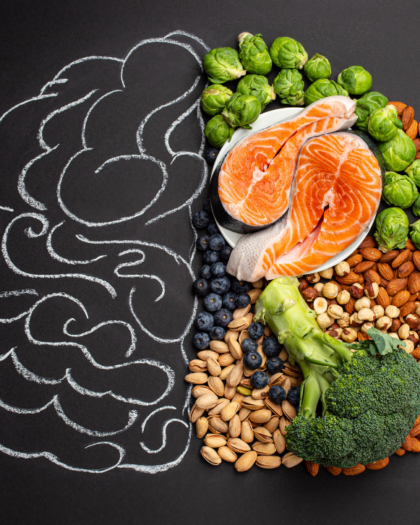
Omega-3 fatty acids found in fatty fish help support normal brain structure and function. Leafy green vegetables provide folate, vitamin K and antioxidants that have been associated with healthy cognitive aging. Berries contain flavonoids that researchers continue to study for their potential role in protecting brain cells from oxidative stress. Whole grains, beans and legumes provide a steady supply of glucose, the brain’s preferred source of energy, while nuts and olive oil contribute healthy fats that support overall cardiovascular and neurological health.
These same foods are common features of the Mediterranean diet for brain health, one of the world’s most extensively studied eating patterns.
Healthy Habits Matter More Than Perfect Meals
One of the encouraging findings from nutrition research is that brain health isn’t determined by a single meal. Instead, it reflects consistent habits developed over months and years.
Choosing more vegetables, incorporating healthy fats, eating fish regularly and reducing highly processed foods can all become part of a sustainable eating pattern. These gradual changes often have a greater impact than following restrictive diets or chasing the latest nutrition trend.
If you’re interested in learning more about the relationship between food and the brain, The Five Finger Plan to a Healthy Brain offers practical guidance based on the internationally recognized FINGER® lifestyle study. It explores how nutrition, physical activity and other everyday habits work together to support healthy cognitive aging, making it an excellent resource for anyone looking to take a proactive approach to brain health.