Avoid Foods That Trigger Gout with This Healthy Eating Plan
Gout is a painful form of inflammatory arthritis caused by excess uric acid building up in the body. When this acid forms crystals in the joints, it leads to swelling, redness and intense discomfort. As explained in The Complete Gout Management and Nutrition Guide, diet plays a meaningful role in managing uric acid levels and reducing the frequency of flare-ups.
While medication can help during acute attacks, long-term gout management depends on consistent lifestyle choices, especially when it comes to food.
Understanding Foods That Trigger Gout
Foods that trigger gout are typically high in purines, compounds that break down into uric acid. Common triggers include:
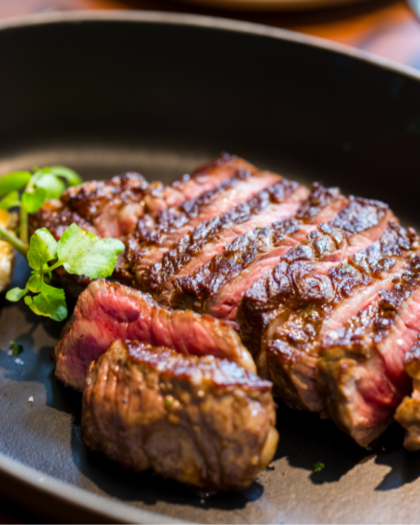
- Red meat and organ meats
- Certain seafood
- Alcohol, especially beer
- Ultra-processed foods and sugary drinks
Of course, gout is not just about food alone. It is a metabolic condition influenced by hydration, kidney function and overall lifestyle. Still, diet remains one of the most effective tools for long-term control.
Building Long-Term Pain Management Through Diet
Gout is closely linked to other metabolic conditions such as obesity, diabetes and heart disease. That is why a consistent, balanced eating plan is essential—not just for pain relief, but for overall health.
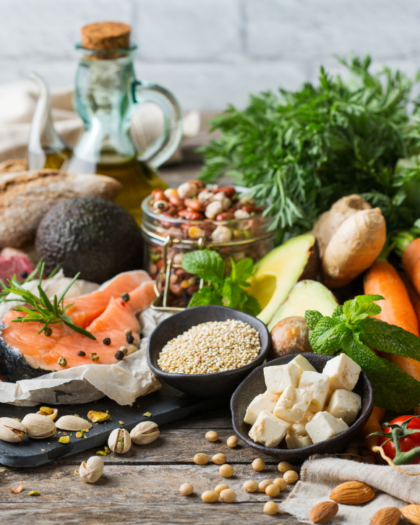
By avoiding foods that trigger gout and focusing on nutrient-dense meals, you can take a proactive approach to managing symptoms and improving your quality of life.
For more detailed meal plans, recipes and strategies to manage gout effectively, visit Robert Rose Books and explore The Complete Gout Management and Nutrition Guide.