Veggie-Rich Low-Purine Foods for Your Gout Diet Plan
Gout is more than just occasional joint pain. It is a form of inflammatory arthritis caused by a buildup of uric acid in the body, which forms sharp crystals in the joints and leads to swelling, redness and intense pain. These flare-ups often appear suddenly, commonly in the big toe, and can become more frequent without proper management.
One of the key factors behind gout is diet. Foods high in purines break down into uric acid, and when levels rise too high, the risk of flare-ups increases. Diet alone does not cause gout, but it plays a significant role in how often attacks occur and how severe they become. In fact, eating too much animal protein and ultra-processed foods has been linked to increased uric acid production, making dietary choices an important part of any gout management plan.
Why Meat Can Trigger Gout
Purines are naturally-occurring compounds found in many foods, but they are especially concentrated in certain animal products. When the body breaks down purines, uric acid is produced as a waste product. While some uric acid is eliminated through the kidneys and intestines, excess amounts can build up in the bloodstream and be deposited in your joints.
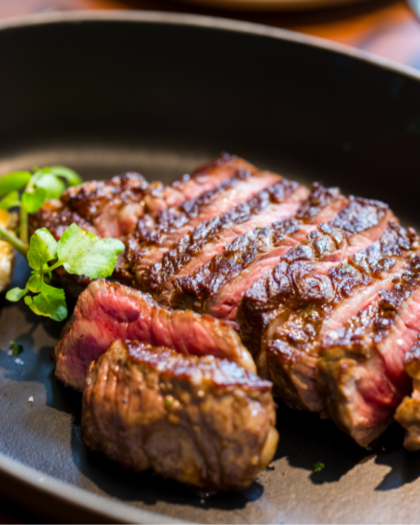
Foods high in purines include red meat, organ meats and certain types of seafood. These are among the most common foods that trigger gout because they significantly increase uric acid levels. Over time, regularly consuming these foods can contribute to more frequent gout flare-ups, especially for those already at risk.
This is why many gout diet strategies focus on reducing animal-based purine-rich foods and shifting toward more plant-based, low-purine options.
Building a Sustainable Gout Diet Plan
Managing gout is not about eliminating entire food groups. It is about understanding which foods affect gout and making consistent, balanced choices. While foods high in purines can increase uric acid levels, many plant-based foods offer nutrients that support overall health without triggering flare-ups.
As The Complete Gout Management and Nutrition Guide explains, gout is closely connected to metabolism and often appears alongside other chronic conditions such as high blood pressure, diabetes and obesity. This makes a balanced, nutrient-rich diet even more important.
If you are looking to build a practical, sustainable gout diet plan, this book offers detailed guidance, meal plans and over 100 recipes designed to help you manage symptoms and reduce flare-ups.
Get started and feel better!